
Photography Archive Preservation Funds
Designed and structured for long-term preservation

Every historic photograph is a physical record of a moment that cannot be recreated.
For much of the 20th century, newspapers, magazines, agencies, and photographers documented the world through original prints, negatives, slides, and transparencies. These assets captured wars, elections, sports, entertainment, civil rights, fashion, industry, local communities, and everyday life.
Today, many of those archives are at risk. As media companies move further from their physical collections, millions of original photographs are left in storage, sold in bulk, stripped of context, or discarded. Antik Capital helps preserve these collections through investment structures designed to acquire, protect, and organize, and subsequently sell, license, or donate significant photography archives to public institutions.
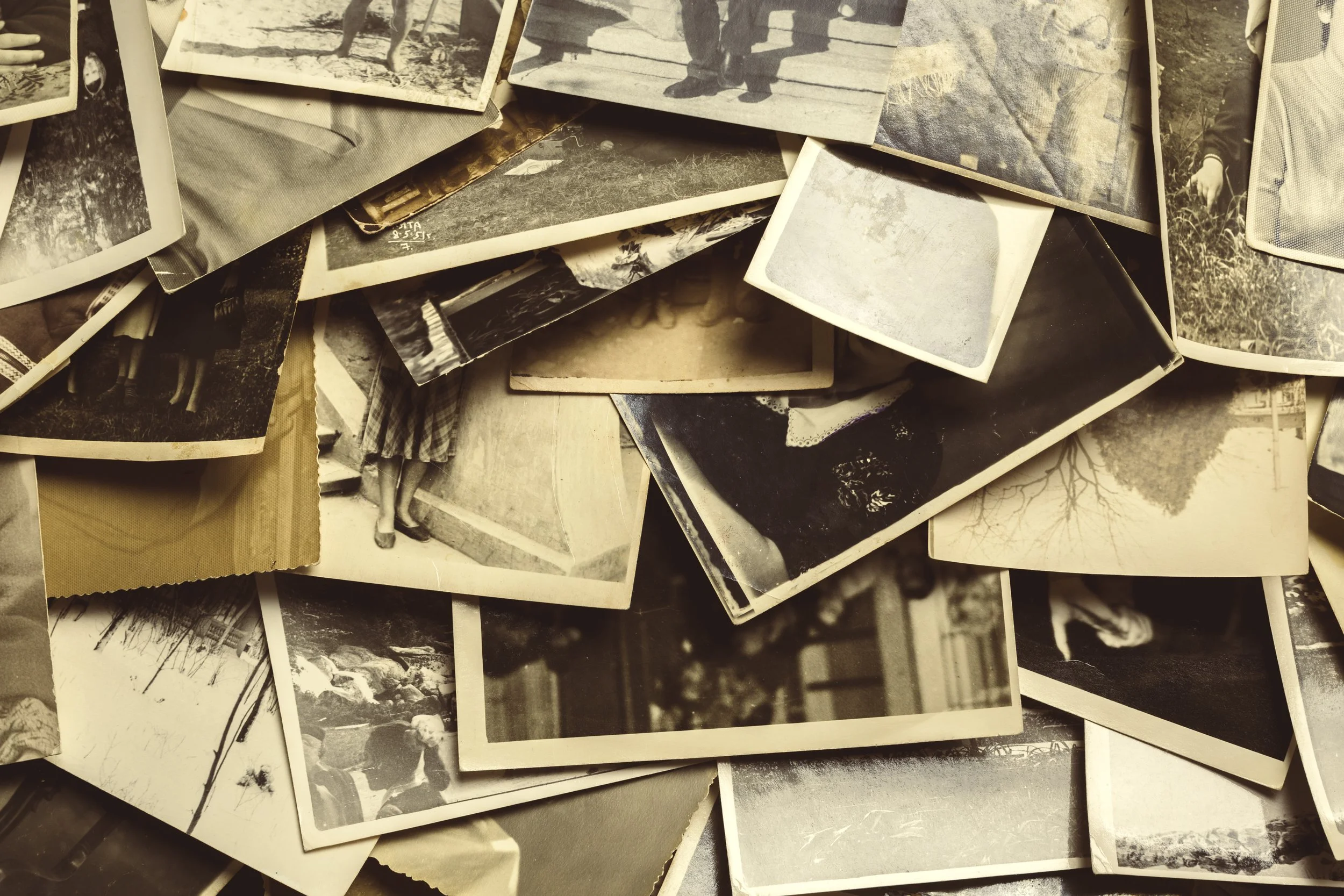
Why vintage photography matters
Historic photographs carry several forms of value.

They have market value because vintage prints, negatives, and rare images are actively bought and sold by collectors, auction houses, researchers, families, and institutions.

They have institutional value because universities, museums, libraries, and research centers can use these archives for exhibitions, scholarship, teaching, digital access, donor engagement, and public programming.

They have cultural value because they document how the world saw itself. Original captions, stamps, crop marks, notes, and clippings help show not only what happened, but how those moments were reported, interpreted, and remembered.

And they have human value because these images often reconnect people with their own history. A photograph may show a parent, a performer, an athlete, a worker, a neighborhood, a protest, or a place that no longer exists.
In an age of AI-generated imagery and digital manipulation, original physical photographs offer something increasingly rare: authentic, verifiable evidence of the past.
How it works
When photography archives with strong historic and cultural value are identified, the preservation process begins as follows:
1. Expert evaluation
Collections are reviewed for quality, provenance, historical importance, rarity, subject matter, physical condition, and contextual materials such as captions, stamps, clippings, or original filing systems.
2. Acquisition and logistics
Large archives often contain millions of images across multiple formats. Once acquired, the materials must be packed, moved, received, sorted, and secured.
3. Preservation and organization
The archive is cleaned, stabilized, organized, boxed, labeled, and stored so the collection can be accessed physically and digitally.
4. Digitization and metadata
Images are scanned at archival quality. Captions, subjects, dates, locations, photographers, source information, and other available context are researched and attached as metadata.
5. Licensing and monetization analysis
Digital images with accompanying metadata are organized and labeled so that the eventual owner of the collection can easily monetize the photography if they desire.
6. Preparation for use
The goal is to preserve a vulnerable private archive so that it becomes a usable institutional-grade perpetual long term capital asset. That means preparing the collection so a recipient institution can receive it with far less burden, more immediate utility, and greater long-term potential.
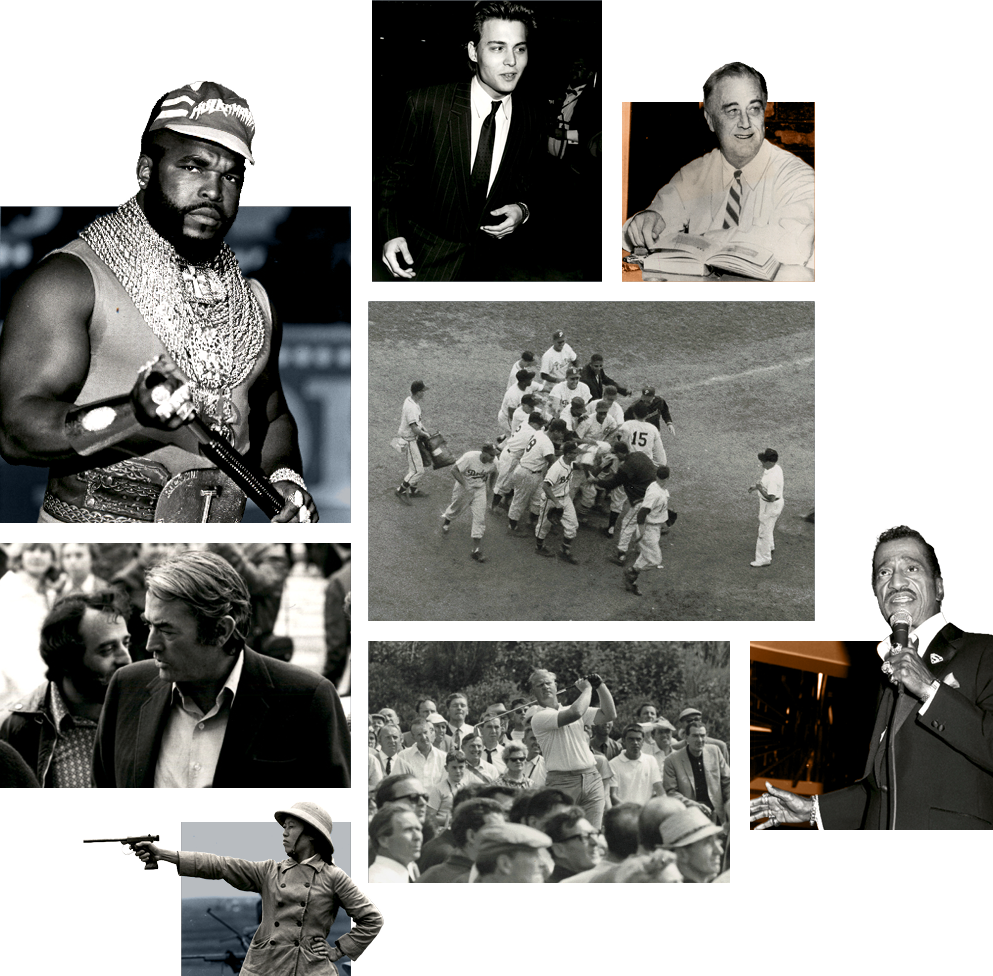
Historic Images:
Historic Images is Antik Capital’s expert vendor for vintage photography archive work.
Founded in 2009, Historic Images has spent more than a decade acquiring, organizing, digitizing, selling, and preserving historic photography. The company works with large-scale press photo collections, agency archives, private photographer estates, negatives, slides, transparencies, and other vintage visual materials.
For Antik Capital’s photography investments, Historic Images provides the operational expertise required to handle these archives properly. That includes curation, logistics, processing, digitization, metadata, physical storage, and preparation for eventual donation.
This expertise matters because large photo archives are rarely ready for institutional use when they are acquired. They may arrive in filing cabinets, boxes, envelopes, binders, totes, or pallets. Some are well organized. Many are not. Historic Images helps transform those materials into a searchable, accessible, preservation-ready collection.
OUR EXPERT ARCHIVE PARTNER
Current photography archive opportunities
Antik Capital’s current photography investment offerings are built around three major archives.
Together, these collections represent millions of vintage images spanning photojournalism, celebrity culture, cinema, fashion, sport, politics, industry, war, religion, art, entertainment, and 20th-century European life.
-
The Legacy Photo Investors archive traces its roots to one of postwar Italy’s most important photojournalistic agencies.
Tullio Farabola came from a photographic family and became a significant documentarian of Italy’s post-World War II era. His agency covered current events, culture, entertainment, sports, fashion, politics, crime, cinema, television, theater, religion, industry, and public life.
The archive includes more than 1.2 million negatives on film and glass plate from Farabola and related collections, along with a broader body of agency and correspondent material estimated at 5 to 9 million pieces. This larger collection includes black-and-white prints, color prints, slides, positives, print negatives, press-kit images, and reproductions.
-
The Timeless Images collection comes largely from Agenzia Masi, a Milan-based photography agency focused heavily on entertainment and celebrity photography.
The collection contains an estimated 2 million high-quality entertainment prints. Masi distributed photography in Italy on behalf of major image sources including Time-Life, David McGough Inc., Lynn Goldsmith, Ron Galella, and other French and Italian agencies.
This gives the collection a strong celebrity, music, media, and pop culture dimension, with connections to some of the most recognizable photographers and publishing networks of the late 20th century.
Securities offered by Metric Financial, LLC. Member FINRA/SIPC.
-
The Image Archives collection contains a library of photos, mostly from the Liverani Photography Agency. This agency was founded in Milan in 1950, during Italy’s postwar economic boom.
As Milan became a center for manufacturing, design, fashion, publishing, and media, illustrated magazines created major demand for high-quality photography. Liverani supplied that market with premium prints, transparencies, and agency photography across news, celebrity, cinema, sport, fashion, and culture.
The Liverani archive contains an estimated 3.5 million vintage images. Approximately 60% are color film and negatives, 40% are black-and-white prints, 30% were supplied by foreign agencies, and 30% cover sports including Italian soccer, Formula One, motorbike racing, cycling, tennis, and boxing.
Securities offered by Vistia Capital, LLC. Member FINRA/SIPC.
Designed for preservation. Structured for investors.
Antik Capital’s photography preservation funds are organized around a clear thesis: historic photography archives are finite, culturally important perpetual assets with real market support and meaningful institutional value.
These assets, when properly sourced, preserved, and documented can lead to a rare combination of outcomes:
Preservation of irreplaceable cultural assets
Potential tax advantages for qualified investors
Support for universities, museums, libraries, and public institutions
Long-term public access to important visual history
A tangible connection between capital, history, and impact
Let’s talk about current opportunities
Photography archive preservation funds are specialized and availability may be limited.
Contact Antik Capital to learn more about current offerings, qualification requirements, project timelines, and the diligence process. Accredited investors only.